Official U.S. Sales & Support for

Himmelwerk Induction Heating Systems

Your industry-leading source for MHz heating technology and system recommendations.

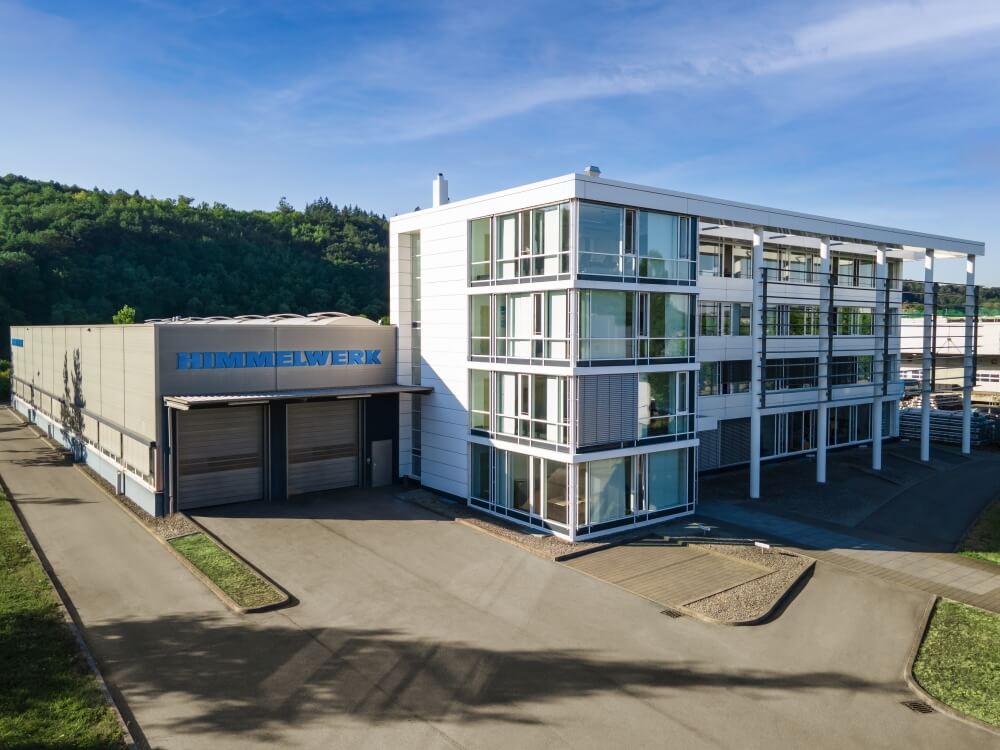
Bedrijfspand Himmelwerk
Engineered for Applications That Require Total Control

MHz Technology That
Sets a Global Standard

Whether you’re conducting precise thermal testing, assembling complex components, or prototyping new materials, Himmelwerk provides consistent, traceable heating.

More Power. Less Heat Loss. Measurable Results.

Why R&D and Production Teams Rely on Himmelwerk

Himmelwerk systems are trusted in testing labs, R&D centers, and production environments worldwide for one reason: consistency.

We deliver:

  • MHz-level control
  • Real-time power and heat monitoring
  • Clean, contactless operation
  • High repeatability for testing and quality assurance
  • Reliable performance backed by U.S. support

Our Core Product Lines

Compact, reliable, performance-ready

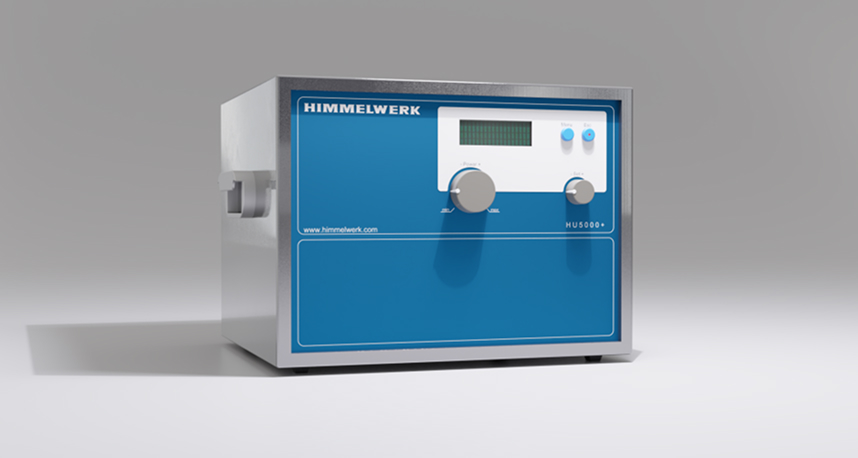
HU Series

Ideal for R&D, universities, and test benches.

Modular power for industrial workflows

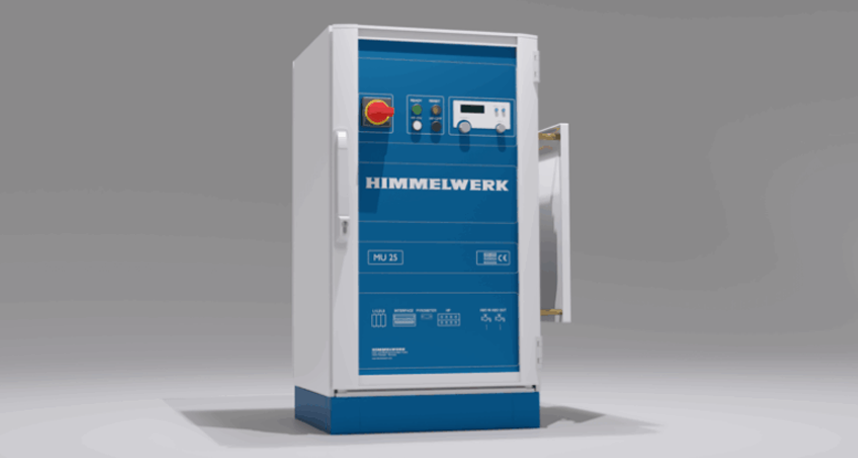
MU Series

Perfect for automated systems, production cells, and scalable heating requirements.

Sinusoidal output for maximum consistency

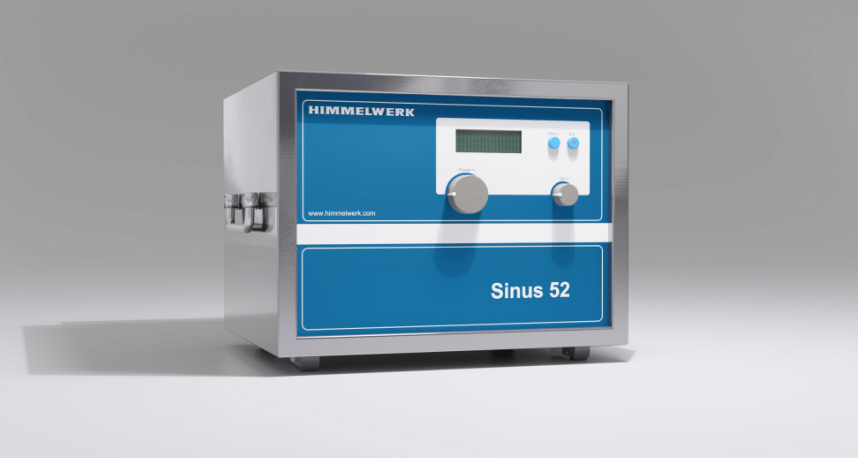
SINUS Series

Great for sensitive materials, cleanroom processes, and high-repeatability applications.

More Power. Less Heat Loss. Measurable Results.

Contact the Industry Leaders in Induction Heating

We’ll help you identify the right system for your needs and guide you through the entire process.

Seit 1950 wurden von Himmelwerk 19.000 Hochfrequenz- und Mittelfrequenzgeneratoren in alle Welt verschickt.
Wie viel CO₂ sparen sie eigentlich pro Jahr ein? Eine Rechnung.

Annahme 1: 25 % der Generatoren sind noch in Betrieb.

Annahme 2: Sie haben im Durchschnitt eine Leistung von 6 kW und damit eine Leistungsaufnahme von 7 kW.

Annahme 3: Die Generatoren sind 8 Stunden/Tag und 5 Tage/Woche in Betrieb.

Annahme 4: Induktive Erwärmung spart bis zu 40 % Energie ein im Vergleich zu konventionellen Methoden. Gehen wir mal von 30 % aus.

Bei diesen Annahmen sieht die Rechnung so aus:

Täglicher Energieverbrauch: 8 h x 7 kW = 56 kW

Energieersparnis am Tag: 56 kWh / 0,7 = 80 kWh; 80 – 56 = 24 kWh

Gesamtersparnis am Tag: 24 kWh x 4.750 Generatoren = 114.000 kWh

Gesamtersparnis pro Jahr: 220 Arbeitstage x 114.000 kWh = 25.080.000 kWh

Umrechnungsfaktor kWh/CO₂: 1 kWh ≈ CO₂-Äquivalenzwert von 0,485 kg Strom (Quelle: Umweltbundesamt, Climate Change 15/2022)

CO₂-Einsparung pro Jahr: 25.080.000 kWh x 0,485 kg = 12.163.800 kg