
Induction Heating Solutions
Built for Your Application
From soldering and brazing to shrink fitting and micro-assembly, Himmelwerk delivers clean, controlled, repeatable heating for every stage of R&D and production.
Choose Your Application Area
Himmelwerk designs each system around material, temperature, and production requirements
PCB and Circuit Heating
Surface-level control without damaging components
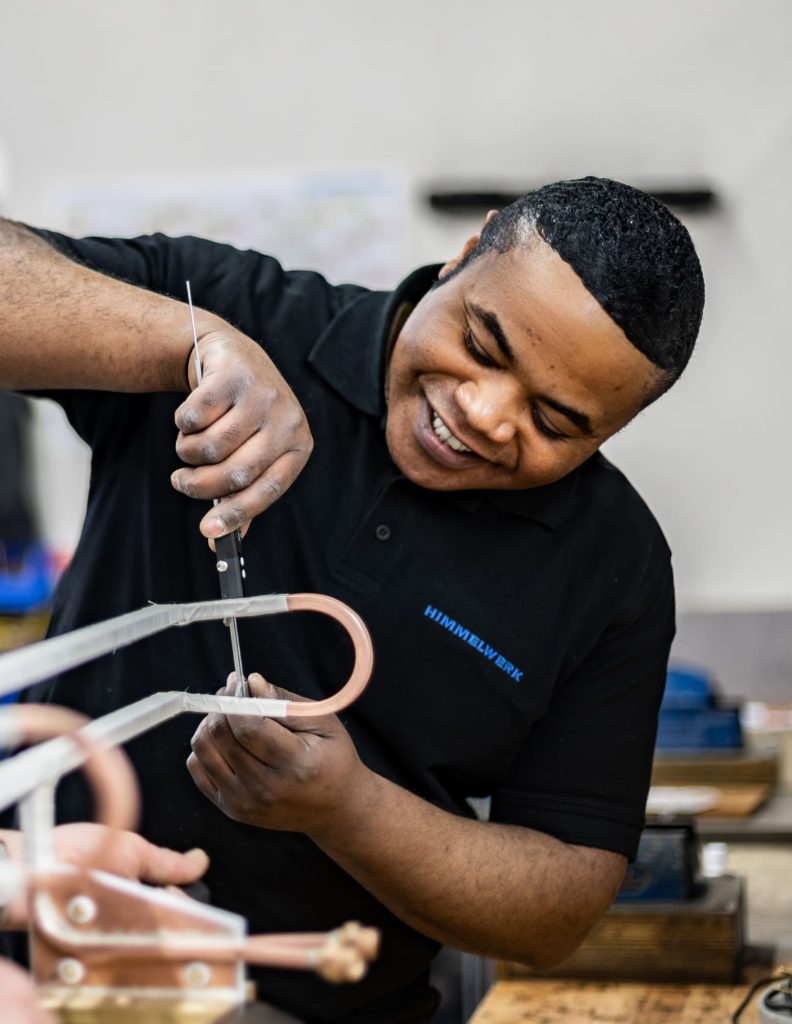
Clean, Repeatable Heating for Precision Joints
Soldering & Brazing
Himmelwerk’s MHz systems deliver fast, oxidation-reduced heating ideal for micro-soldering, brazing sensitive components, and controlled thermal joining. Teams benefit from consistent heat zones, reduced contamination, and predictable performance across repeated assembly or test cycles.
Designed for
- Electronics & microcomponents
- Medical device assembly
- Material testing laboratories
Fast Thermal Expansion with Controlled Heat Zones
Shrink Fitting
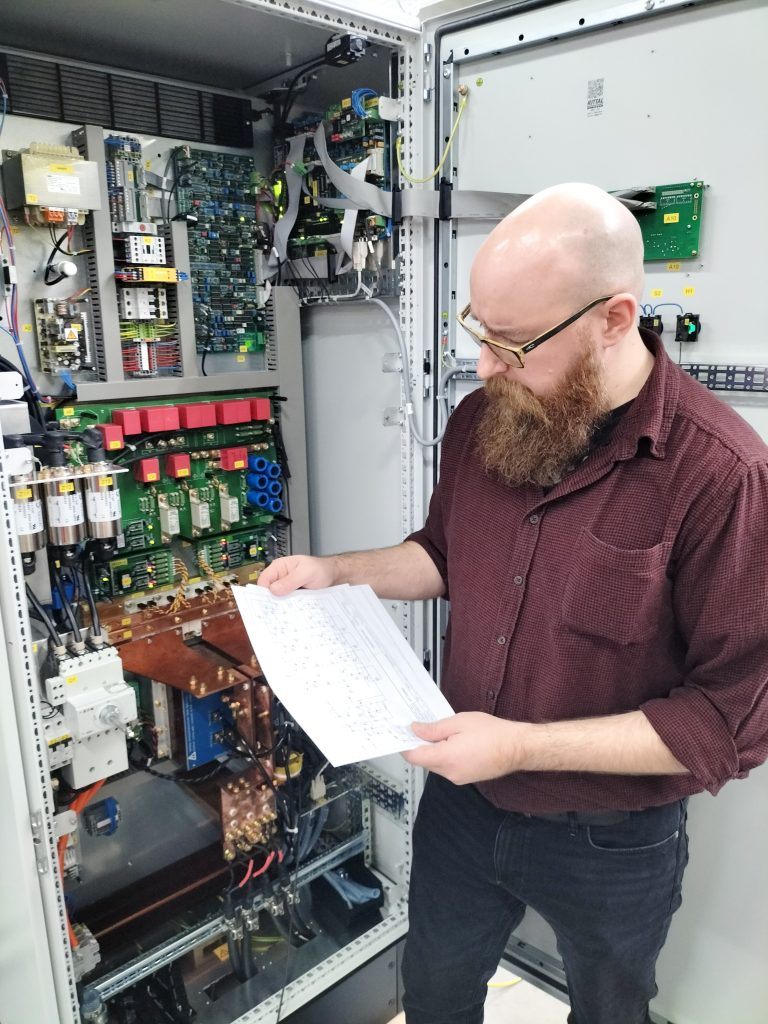
Shrink fitting requires heating specific parts without affecting surrounding components. Himmelwerk’s MHz induction systems deliver localized, uniform heat. This makes our systems ideal for press fits, bearing installation, and precision mechanical assemblies where cycle speed and repeatability matter.
Use Cases
- Bearing and gear installation
- Press-fit joining
- Mechanical assembly operations
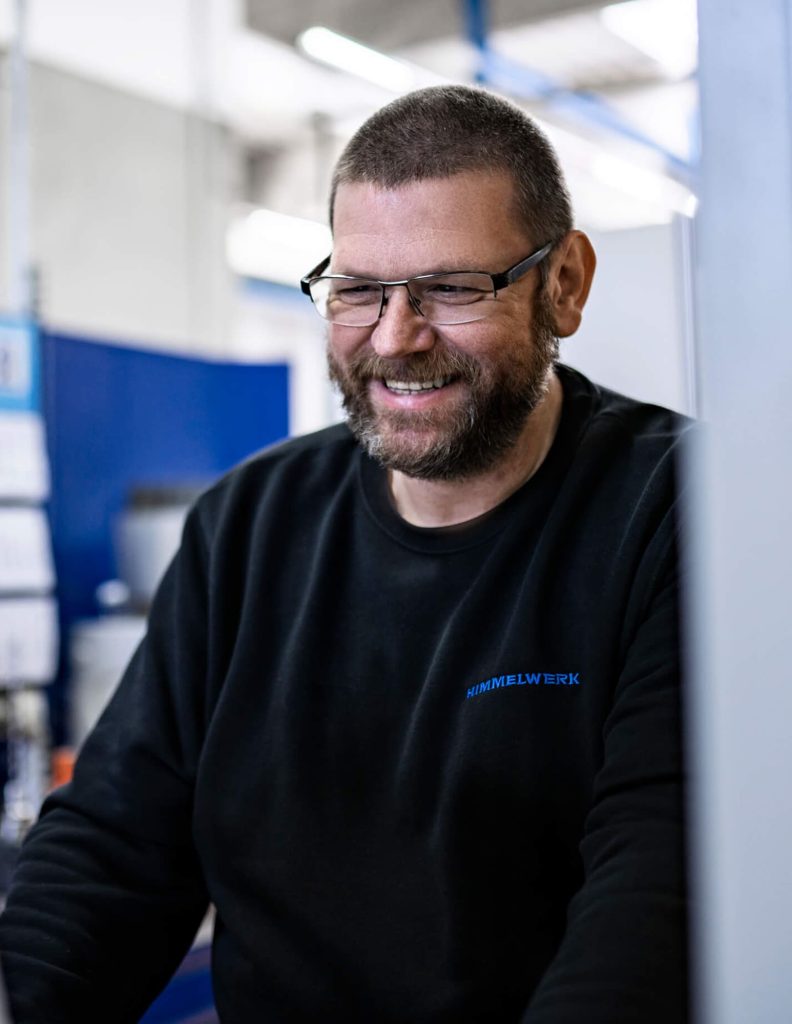
Heat Without Contact
Bonding and Micro-Assembly
MHz induction allows precise, non-contact heating that protects sensitive materials and assemblies. This makes Himmelwerk an ideal solution for bonding microelectronics, fiber optic components, and other assemblies that require high accuracy without mechanical pressure or contamination.
Use Cases
- Fiber optic assembly
- Micro-electronics bonding
- Lab-scale prototyping
Traceable, Measurable Heating for R&D Teams
Thermal Testing and Failure Analysis
When material testing or failure analysis demands repeatability, Himmelwerk’s MHz systems deliver watt-by-watt control with consistent thermal cycling. Engineers gain precise, data-backed results for evaluating performance, durability, and thermal response under controlled conditions.
Use Cases
- Thermal cycling & heat profiling
- Failure mode analysis
- Controlled environmental testing
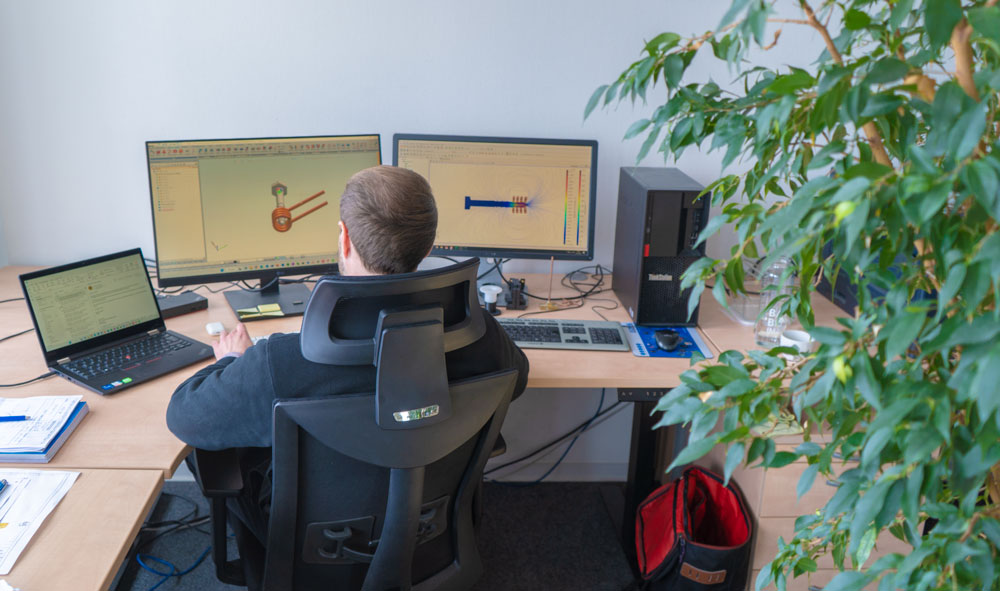
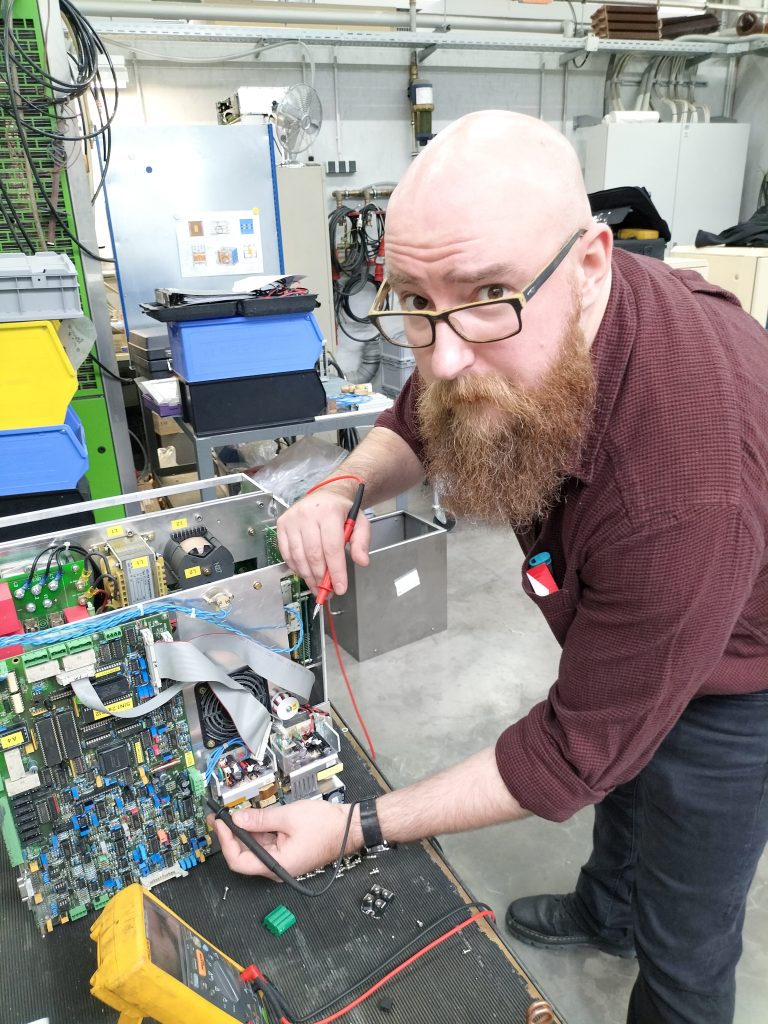
Surface-Level Heating Without Component Damage
PCB and Circuit Heating
Printed circuit assemblies require careful thermal management to prevent damage to surrounding components. Himmelwerk’s MHz systems deliver controlled, surface-level heating ideal for micro-soldering, rework, trace repair, and localized diagnostics, minimizing risk while improving accuracy and speed.
Use Cases
- PCB component rework & removal
- Trace repair & micro-soldering
- Localized thermal diagnostics
Clean, Controlled Heating with Minimal Oxidation
Cleanroom Processes
Cleanroom environments depend on heating solutions that minimize contamination and provide consistent thermal delivery. Himmelwerk’s MHz technology supports stable, low-oxidation heating perfect for semiconductor manufacturing, medical device assembly, and any process requiring tightly controlled heat in sterile conditions.
Use Cases
- Cleanroom micro-assembly
- Semiconductor thermal operations
- Regulated manufacturing processes

Get Your Application Specific Solution
Tell us about your material, heating target & throughput goals and our team will recommend the right MHz system for your specific application.

Medium frequency
MU series up to 250 kW
MU R series from 10 kW
Inductors
Inductors & External Circuits
Measurement & Monitoring Technology
Spectral Pyrometer
Smart Upgrade
Further induction technology
Cooling Water Recooling Systems
Melting plants